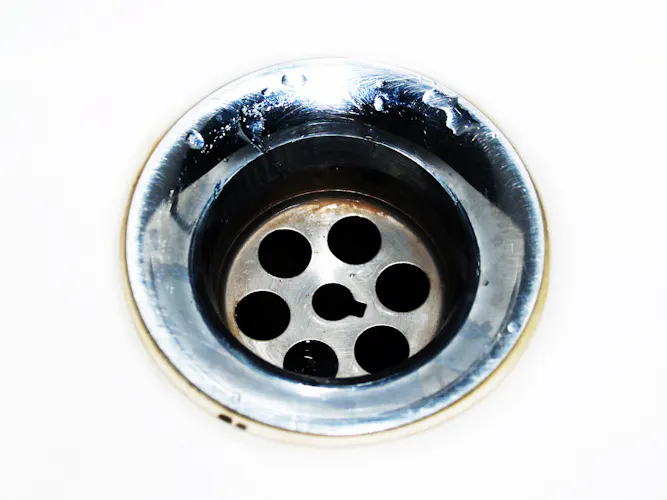
What Grease Trap Cleaning Involves
- Pumping accumulated FOG and solid material from the trap
- Lid, inlet, and outlet baffle inspection
- Interior scraping and rinsing to remove residual grease
- Drain flow check to confirm proper trap function
- Service record documentation for municipal FOG compliance files
- Interval recommendation based on current trap loading
Grease that escapes above your cooking equipment is a separate issue. See our restaurant hood cleaning service for exhaust system degreasing.
How Often Grease Traps Need Cleaning
The standard cleaning trigger is the one-quarter rule: pump when the combined depth of FOG and settled solids reaches 25 percent of the trap's liquid capacity. For most full-service restaurants, that translates to cleaning every 30 to 90 days. High-volume burger, pizza, and fried food operations typically fall at the 30-day end of that range. Coffee shops and low-oil prep operations may qualify for less frequent service. Letting the trap exceed the one-quarter threshold causes FOG to pass through into the sewer system, which is both a regulatory violation and a direct cause of sewer line blockages.
What Happens When You Skip Cleaning
An overloaded grease trap allows FOG to pass through into the municipal sewer. That FOG accumulates in sewer lines, combines with other waste, and forms blockages — sometimes called fatbergs — that trigger emergency repairs, inspections, and fines from the local sewer authority. New Jersey municipalities with active FOG programs can issue citations, require compliance plans, and in repeat cases revoke wastewater discharge permits. Inside the kitchen, the immediate consequence is slow and eventually blocked drains, which forces kitchen shutdowns during service.
For a complete kitchen compliance picture, review our full list of commercial kitchen cleaning services in Irvington.
What Affects the Cost
- Trap capacity in gallons — larger traps cost more to pump
- FOG and solid loading level at the time of service
- Number of traps on the property
- Pump-out access and proximity to the service vehicle
- Waste disposal fees for hauled FOG and solids