Skip to content
Now booking commercial hood cleanings in Irvington and surrounding Essex County areas

Irvington, NJ

Commercial Kitchen Cleaning Services

Hood cleaning, exhaust fan cleaning, grease duct cleaning, and kitchen deep cleaning for restaurants, cafeterias, and food service facilities in Irvington and Essex County. Every service follows NFPA 96 standards and ends with written documentation.

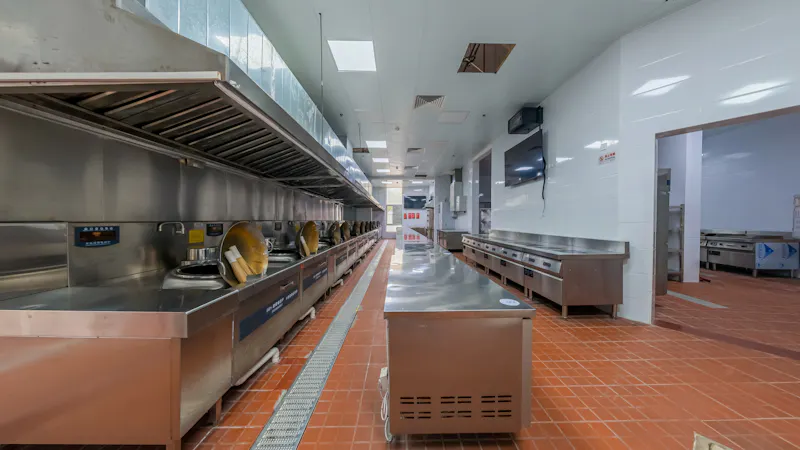
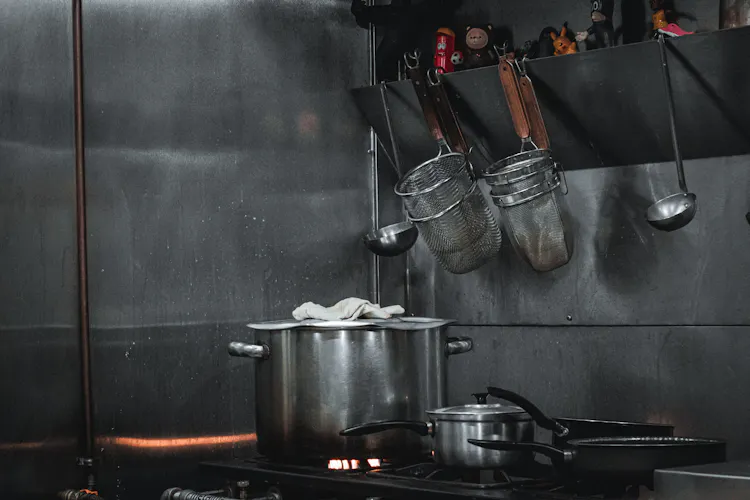
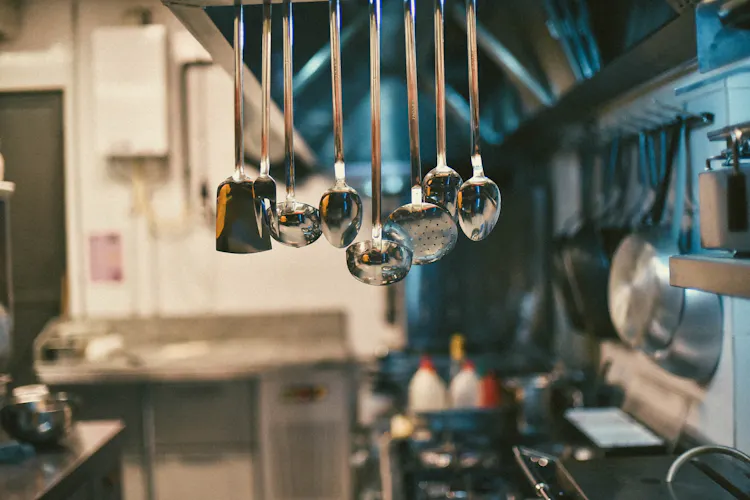
Stainless steel commercial kitchen exhaust hood in Irvington restaurant

Restaurant Hood Cleaning

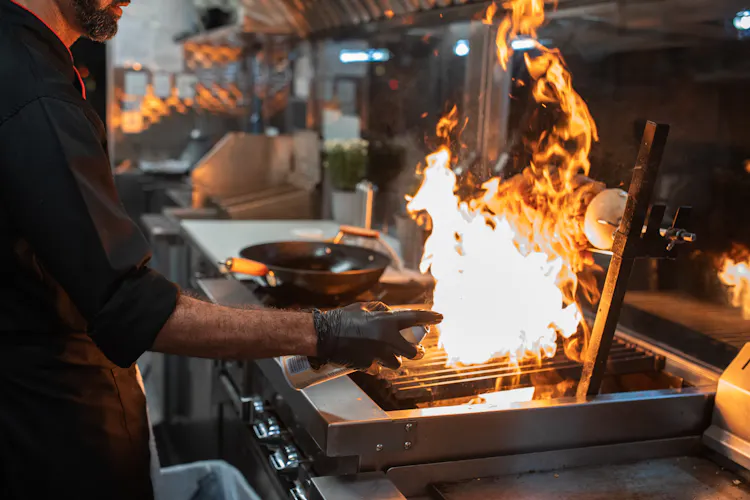
Grease accumulates inside your hood canopy, baffle filters, exhaust fans, and ductwork every time your kitchen runs. Left unaddressed, that grease becomes a direct fire hazard and a reason for a health inspector to shut your kitchen down. Our hood cleaning service covers the full exhaust system from the hood face to the rooftop fan and terminates with a written inspection report that documents the work performed.

What It Involves

  • Full degreasing of hood canopy and canopy lip
  • Baffle filter removal, hot-wash, and reinstall
  • Exhaust fan blade and housing cleaning
  • Interior duct degreasing to rooftop
  • Post-cleaning inspection with photos
  • NFPA 96 certificate of completion

When You Need It

  • Before a scheduled health inspection
  • Every 3 months for high-volume fryers and woks
  • Every 6 months for moderate-use kitchens
  • Every 12 months for low-use kitchen equipment
  • After a grease fire or fire suppression discharge
Call for a Quote
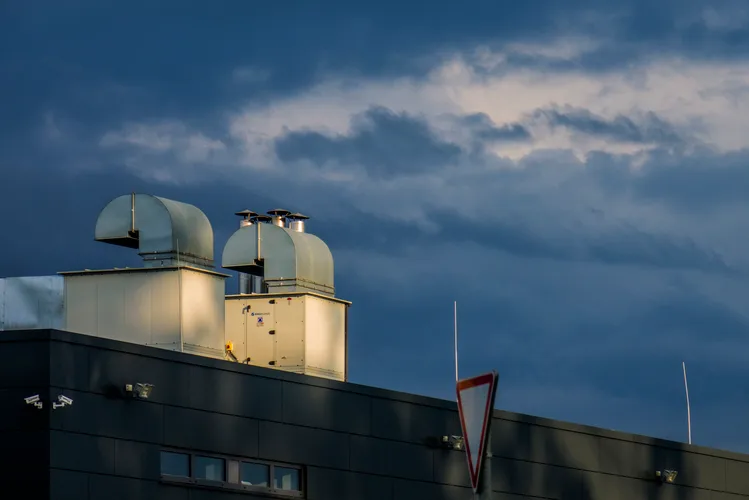
Commercial kitchen exhaust fan and rooftop ventilation system

Exhaust Fan Cleaning

The exhaust fan is the last point of contact before contaminated kitchen air leaves your building. Grease builds up on fan blades and inside the housing, reducing airflow efficiency and creating a fire risk directly above your roof. Fan cleaning is often skipped during basic hood service but is required under NFPA 96 for full compliance.

What It Involves

  • Fan blade and housing degreasing
  • Grease reservoir inspection and cleaning
  • Belt and bearing inspection
  • Airflow verification post-cleaning

When You Need It

  • On the same schedule as your hood cleaning
  • When you notice reduced airflow in the kitchen
  • After a grease drip or staining is visible on the rooftop
Call for a Quote
Commercial kitchen ductwork and grease duct system

Grease Duct Cleaning

Ductwork is the most overlooked part of a commercial kitchen exhaust system. Grease accumulates on duct walls throughout the entire run, and that accumulation can sustain a fire longer than any other part of the system. Many hood cleaning companies clean the visible hood but skip the duct interior. We clean the full run.

What It Involves

  • Access panel installation where needed for full interior reach
  • High-pressure hot-water or chemical degreasing of duct walls
  • Grease drip removal from duct joints
  • Documentation of duct condition and any damage found

When You Need It

  • When your NFPA 96 inspection shows grease depth exceeding 1/8 inch
  • On the same schedule as your hood system cleaning
  • After fire suppression discharge to remove contaminated grease
Call for a Quote
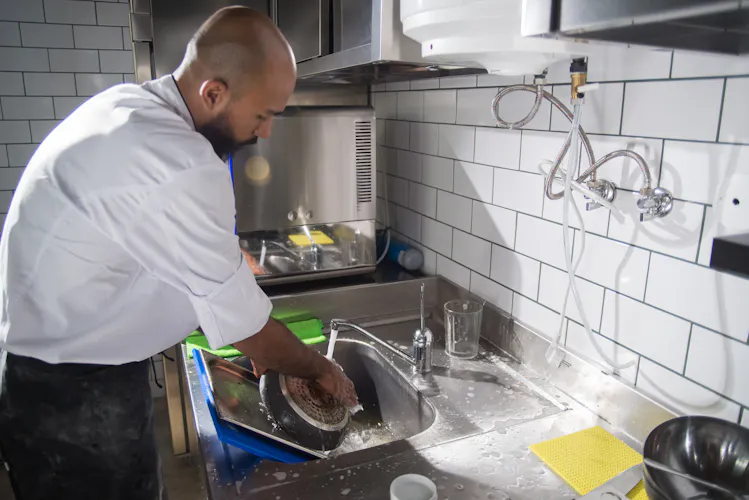
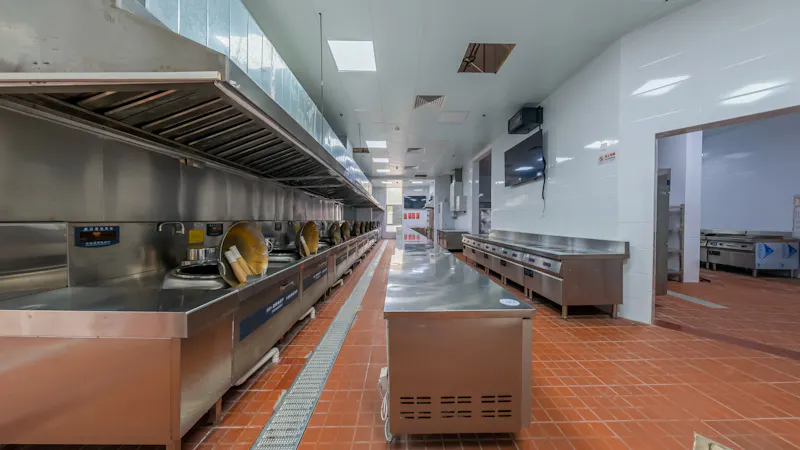
Commercial kitchen professional deep cleaning service Irvington NJ

Kitchen Deep Cleaning

A deep clean addresses the cooking equipment surfaces, tile grout lines, floor drains, under-equipment areas, and grease traps that routine daily cleaning misses. This service is most useful before a health inspection, after a pest event, or when a change of ownership requires a reset of the kitchen.

What It Involves

  • Degreasing of all cooking equipment exteriors
  • Floor scrubbing including under equipment
  • Wall and tile cleaning
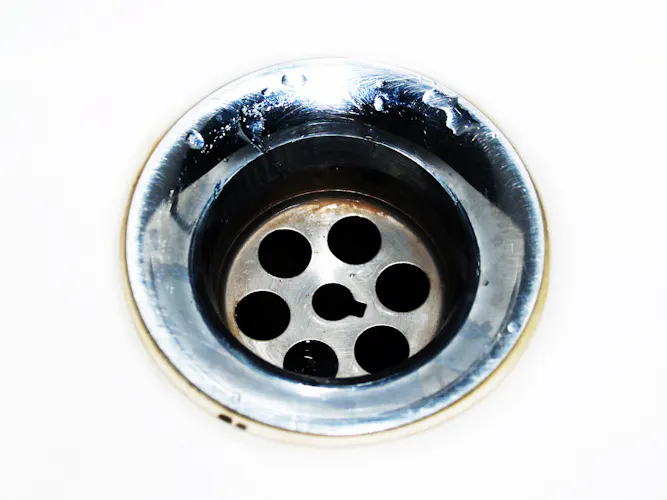
  • Drain clearing and cleaning
  • Grease trap inspection and service coordination

When You Need It

  • Before a health inspection or change of ownership
  • After a pest inspection flags sanitation issues
  • Quarterly for high-volume operations
Call for a Quote
Commercial kitchen fire suppression system Ansul inspection

Fire Suppression Inspection

Fire suppression system inspection and recharging is performed by a licensed fire suppression contractor. We do not recharge or service suppression systems — that requires a separate trade license. What we do is coordinate inspections, document the suppression nozzle positions relative to your cooking equipment, and flag any coverage gaps for your suppression contractor to address.

What It Involves

  • Documentation of nozzle positions and coverage zones
  • Identification of coverage gaps created by equipment moves
  • Coordination with your licensed suppression contractor
  • Written report for your inspection file

When You Need It

  • Every 6 months as required by NFPA 17A
  • After any equipment addition or relocation under the hood
  • After a suppression system discharge
Call for a Quote

Frequently Asked Questions

Answers to the questions restaurant owners ask before scheduling their first hood cleaning.

How often does a restaurant hood need to be cleaned?

NFPA 96 sets cleaning intervals based on cooking volume and fuel type. High-volume operations using solid fuel or woks require cleaning every month. Moderate-use kitchens are typically cleaned quarterly. Low-volume kitchens may qualify for annual cleaning. A technician can assess your specific setup and recommend the correct interval.

What is included in an NFPA 96 hood cleaning?

A complete NFPA 96 hood cleaning covers the hood canopy, baffle filters, interior ductwork, exhaust fan blades and housing, and the rooftop fan discharge. The service ends with a written inspection report and a certificate of completion.

Do you clean the full duct run or just the visible hood?

We clean the full exhaust system from the hood face to the rooftop fan, including all ductwork in between. Some companies clean only the visible parts — that does not meet NFPA 96 requirements and leaves grease accumulation inside the duct run.

How long does a hood cleaning take?

Most commercial kitchen hood cleanings take between two and five hours depending on system size, grease accumulation, and duct length. We schedule overnight appointments to avoid interfering with your kitchen's operating hours.

Do you service fire suppression systems?

No. Fire suppression system recharging and inspection requires a separate trade license. We document suppression nozzle positions and can flag coverage issues, but the suppression system service itself must be handled by a licensed suppression contractor.

Schedule Your Hood Cleaning in Irvington

Flat-rate quotes based on system size. Overnight and weekend availability. Written NFPA 96 documentation on every job.